India’s economic landscape is undergoing a profound transformation, driven in part by mounting global tariff pressures and a strategic push toward self-reliance. Over recent years, the country has faced increasing external trade tensions, particularly with key partners like the United States and China, prompting a reassessment of its economic policies and industrial capabilities. This shift is not merely reactive; it represents a deliberate effort to reposition India as a global manufacturing hub and a more resilient player in the international arena.
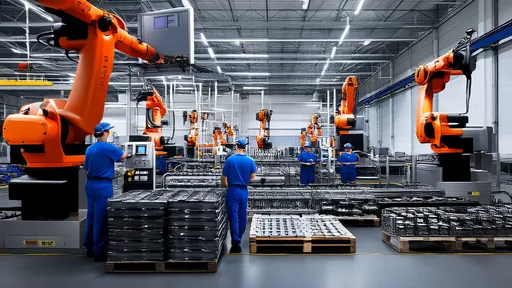
One of the most significant developments has been the government’s push under initiatives like Make in India and the production-linked incentive (PLI) schemes, which aim to boost domestic manufacturing across sectors such as electronics, automobiles, pharmaceuticals, and renewable energy. These policies are designed to attract foreign direct investment (FDI), encourage local production, and reduce dependency on imports. The timing is critical, as global supply chain disruptions and trade wars have exposed vulnerabilities in overly centralized manufacturing models, creating an opportunity for India to step in as an alternative.
The tariff environment, both externally imposed and internally adjusted, has acted as a catalyst for this change. Higher tariffs on imported goods, particularly from China, have made local production more economically viable. For instance, tariffs on electronic components, solar panels, and certain chemicals have incentivized companies to set up or expand manufacturing bases within India. This protectionist measure, while controversial in some quarters, has undeniably accelerated investment in domestic industrial capacity.
Foreign investors are taking note. Major multinational corporations, especially in technology and consumer goods, are reevaluating their supply chain strategies and considering India as a key part of their diversification efforts. Companies like Apple, Samsung, and Foxconn have already announced significant investments in Indian manufacturing facilities. Similarly, the automotive sector has seen renewed interest from global players looking to leverage India’s growing market and export potential.
Beyond manufacturing, the services sector is also poised to benefit. India’s strong IT and business process outsourcing industries are well-positioned to support the digital transformation of global enterprises, especially as companies seek to optimize costs and enhance operational resilience. The country’s large, skilled English-speaking workforce remains a compelling advantage, attracting investment in high-value services such as research and development, engineering, and fintech.
Infrastructure development is another critical area receiving heightened attention. The government’s National Infrastructure Pipeline (NIP) aims to invest over $1.5 trillion in infrastructure projects by 2030, covering transportation, energy, and urban development. This ambitious plan not only addresses long-standing bottlenecks but also creates numerous opportunities for private investment, particularly through public-private partnerships (PPPs). Improved infrastructure will enhance logistics efficiency, reduce operational costs, and make India a more attractive destination for capital.
The renewable energy sector stands out as particularly promising. India has committed to ambitious climate goals, including 450 GW of renewable energy capacity by 2030. Tariffs on imported solar equipment, coupled with subsidies for domestic production, are driving investment in local manufacturing of solar panels, batteries, and other green technology components. This aligns with global trends toward sustainability and offers lucrative opportunities for investors focused on the green economy.
However, challenges remain. Regulatory complexity, bureaucratic hurdles, and infrastructure gaps can still deter investors. Land acquisition issues and varying state-level policies add layers of difficulty for businesses trying to navigate the Indian market. Moreover, while tariffs protect domestic industries, they can also lead to higher costs for consumers and intermediate goods, potentially stifling competitiveness in the long run if not balanced with productivity gains and innovation.
Despite these hurdles, the overall direction is clear: India is leveraging external pressure to fuel internal reform and investment. The combination of policy incentives, a large domestic market, and a growing workforce creates a fertile ground for both foreign and domestic capital. For investors with a long-term perspective, the current environment offers a unique window to participate in India’s economic ascent.
In conclusion, while tariff pressures have undoubtedly played a role in shaping India’s recent economic strategies, the broader narrative is one of opportunity and transformation. The country is not merely responding to external forces but is proactively building a more self-reliant and dynamic economy. For those willing to navigate its complexities, India presents a compelling investment landscape with significant potential for growth and returns.
By /Aug 29, 2025

By /Aug 29, 2025

By /Aug 29, 2025

By /Aug 29, 2025

By /Aug 29, 2025

By /Aug 29, 2025

By /Aug 29, 2025

By /Aug 29, 2025

By /Aug 29, 2025

By /Aug 29, 2025

By /Aug 29, 2025
By /Aug 29, 2025

By /Aug 29, 2025

By /Aug 29, 2025

By /Aug 29, 2025

By /Aug 29, 2025

By /Aug 29, 2025

By /Aug 29, 2025

By /Aug 29, 2025
By /Aug 29, 2025
