As parents, we all dream of providing our children with the best possible education—a foundation that will empower them to pursue their passions and build meaningful futures. Yet, behind this universal aspiration lies a complex financial challenge: how to save and invest wisely to fund these ambitions without compromising family security or future stability. Education costs have been rising at a pace that often outstrips inflation, making it imperative for families to approach education funding with both strategy and foresight.
The heart of the matter lies in balancing two seemingly opposing forces: the need for safety and preservation of capital and the desire for growth to outpace rising costs. On one hand, no parent wants to risk losing hard-earned savings to market volatility, especially as educational milestones draw near. On the other, relying solely on conservative investments might mean falling short when tuition bills arrive. This delicate equilibrium demands a nuanced approach—one that evolves with time, risk tolerance, and changing life circumstances.
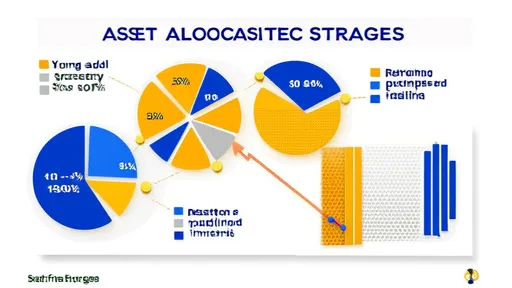
Understanding the timeline is critical. For a newborn, parents have a long runway—18 years or more—to let investments compound and weather market fluctuations. During these early years, allocating a larger portion of the education fund to growth-oriented assets like equities or equity-based mutual funds can make sense. Historically, despite short-term volatility, markets have delivered substantial returns over extended periods. This growth phase is where families can harness the power of compounding, turning modest monthly contributions into a significant corpus.
However, as the child grows older, the investment strategy must gradually shift. With five to ten years left until college, it becomes prudent to start reducing exposure to high-risk assets. This is the phase where capital preservation takes precedence. Moving funds into more stable vehicles—such as bonds, fixed deposits, or dedicated education savings plans with guaranteed returns—can shield the accumulated wealth from sudden market downturns. The goal here is not to maximize returns, but to safeguard what has been built.
Diversification plays a pivotal role in managing this balance. Instead of choosing between aggressive and conservative investments, savvy parents often blend both. A well-diversified portfolio might include a mix of stocks, bonds, real estate investment trusts (REITs), and even education-specific savings accounts like 529 plans in the United States or Registered Education Savings Plans (RESPs) in Canada. These tailored vehicles offer tax advantages and structured growth opportunities, making them popular choices for education-focused investing.
It’s also essential to consider the human element—the emotional and psychological dimensions of financial planning. Market crashes, economic recessions, or personal financial setbacks can test even the most disciplined strategies. During such times, having a contingency plan—such as an emergency fund separate from the education corpus—can prevent parents from dipping into long-term investments at inopportune moments. Similarly, involving children in age-appropriate discussions about education costs and family finances can foster responsibility and alignment with shared goals.
In many regions, government policies and incentives are designed to support education funding. For instance, some countries offer tax deductions on contributions to education savings accounts, while others provide matching grants or bursaries. Staying informed about these opportunities can significantly enhance the effectiveness of a family’s education fund. Consulting a financial advisor to navigate these options is often a worthwhile investment in itself.
Ultimately, the journey of saving for a child’s education is as much about values as it is about numbers. It reflects a family’s priorities, hopes, and commitment to the next generation. While markets will rise and fall, and economic conditions will shift, a thoughtful, adaptive approach—rooted in balance—can turn what seems like a daunting financial challenge into a manageable and even rewarding endeavor.
As we look to the future, one thing remains clear: education is an investment that transcends dollars and cents. By harmonizing growth and stability, parents can not only secure the means for their children’s academic journeys but also impart lessons in financial wisdom and resilience that will last a lifetime.

By /Aug 29, 2025

By /Aug 29, 2025

By /Aug 29, 2025

By /Aug 29, 2025

By /Aug 29, 2025

By /Aug 29, 2025

By /Aug 29, 2025

By /Aug 29, 2025

By /Aug 29, 2025

By /Aug 29, 2025

By /Aug 29, 2025
By /Aug 29, 2025

By /Aug 29, 2025

By /Aug 29, 2025

By /Aug 29, 2025

By /Aug 29, 2025

By /Aug 29, 2025

By /Aug 29, 2025

By /Aug 29, 2025

By /Aug 29, 2025
