Asset allocation represents one of the most fundamental decisions investors face, yet its implementation varies dramatically across different stages of life. The journey from early career through retirement demands not just different investment choices but fundamentally different philosophies about risk, time horizons, and financial objectives. Understanding how to adjust your portfolio through these phases can mean the difference between struggling to meet financial goals and achieving lasting security.
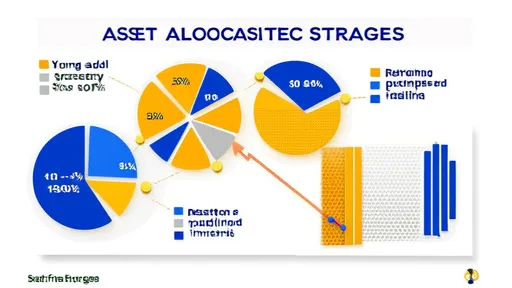
In the early career phase, typically spanning from one's twenties through early thirties, investors possess their most valuable asset: time. With decades until retirement, young professionals can afford to take calculated risks that would be imprudent later in life. This period calls for a growth-oriented strategy heavily weighted toward equities. While market volatility may cause temporary setbacks, the extended time horizon allows portfolios to recover and compound significantly. Many financial advisors suggest allocating 80-90% to stocks, with the remainder in bonds and cash equivalents. This aggressive stance maximizes potential returns while using time to mitigate risk.
The middle career stage, generally encompassing the late thirties through fifties, brings increased financial responsibilities and narrowing time horizons. As careers advance, earnings typically peak, allowing for accelerated savings but also introducing greater complexity. College educations, mortgage payments, and caring for aging parents often coincide during these years. Here, investors should begin gradually reducing risk exposure while maintaining growth objectives. A balanced approach with 60-70% in equities, complemented by bonds, real estate, and other income-producing assets, provides continued growth while building stability. This is also the time to diversify beyond traditional stocks and bonds into alternatives that can provide inflation protection and reduced correlation to market swings.
Approaching retirement introduces the most significant portfolio transition. With just five to ten years remaining before leaving the workforce, capital preservation becomes increasingly important alongside growth. The focus shifts from accumulation to protection of what has been accumulated. Investors should systematically reduce equity exposure while increasing fixed income and cash allocations. By this stage, many advisors recommend 40-50% in stocks, with higher-quality bonds and substantial cash reserves to cover several years of living expenses. This cushion helps avoid selling investments during market downturns, which can permanently impair retirement sustainability.
The retirement phase demands a completely different mindset centered around income generation and capital preservation. Without regular paychecks, retirees must structure their portfolios to provide reliable income while protecting against inflation and market volatility. A typical allocation might include 30-40% in equities for growth and inflation protection, with the remainder in bonds, annuities, and cash instruments. Sequence of returns risk becomes critical during these years, making conservative allocations essential early in retirement. Many retirees employ bucket strategies, segmenting portfolios into immediate, medium-term, and long-term components to manage cash flow needs while maintaining appropriate growth exposure.
Late retirement brings additional considerations as investors enter their seventies and beyond. With potentially thirty years or more in retirement, maintaining purchasing power remains crucial, but simplicity and accessibility become increasingly important. Healthcare costs often rise during this period, requiring both liquidity and stability. Portfolios typically become more conservative, with 20-30% in equities and greater emphasis on income-producing assets that require less active management. This is also the time to consider legacy planning and wealth transfer strategies, which may involve shifting assets to more stable investments to preserve wealth for heirs.
Throughout all life stages, several universal principles apply. Diversification remains paramount regardless of age or wealth level. Regular rebalancing ensures portfolios stay aligned with target allocations and risk tolerances. Tax efficiency grows increasingly important as account balances swell, making asset location—the strategic placement of investments across taxable and tax-advantaged accounts—a critical consideration. Perhaps most importantly, investors must recognize that these guidelines serve as starting points rather than rigid rules. Personal circumstances, risk tolerance, and financial goals vary widely and must inform any allocation decision.
The most successful investors understand that asset allocation isn't a one-time decision but an evolving strategy that reflects changing life circumstances. Market conditions, personal goals, and risk tolerance all shift over time, requiring periodic reassessment and adjustment. While life-stage models provide valuable frameworks, the ultimate allocation must reflect individual needs, preferences, and financial situations. Working with a qualified financial advisor can help investors navigate these decisions and create personalized strategies that balance growth, income, and security throughout life's journey.

By /Aug 29, 2025

By /Aug 29, 2025

By /Aug 29, 2025

By /Aug 29, 2025

By /Aug 29, 2025

By /Aug 29, 2025

By /Aug 29, 2025

By /Aug 29, 2025

By /Aug 29, 2025

By /Aug 29, 2025

By /Aug 29, 2025
By /Aug 29, 2025

By /Aug 29, 2025

By /Aug 29, 2025

By /Aug 29, 2025

By /Aug 29, 2025

By /Aug 29, 2025

By /Aug 29, 2025

By /Aug 29, 2025

By /Aug 29, 2025
