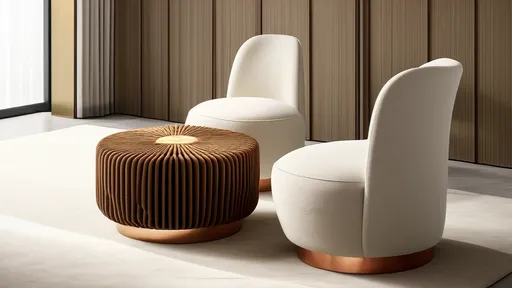
In a world increasingly focused on sustainability and innovative materials, mycelium-based furniture and hotel amenities are emerging as a groundbreaking alternative to traditional manufacturing. This fungal fabrication revolution isn't just about being eco-friendly—it represents a fundamental shift in how we conceive of everyday objects. Designers and hospitality brands are now collaborating with biologists to grow everything from lampshades to entire chair frames using the intricate root networks of mushrooms.
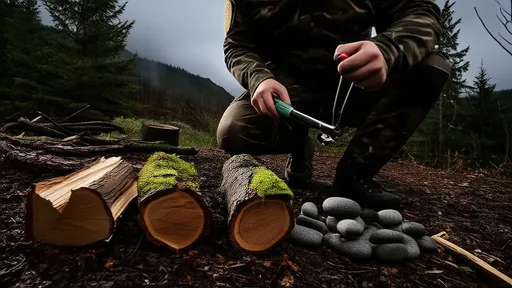
The process begins with agricultural waste like sawdust or hemp hurd, which serves as the nutrient base for mycelium—the vegetative part of fungi. When placed in molds, these fungal networks grow exponentially, binding the substrate into solid forms within days. What's remarkable is how these materials can be engineered to possess different textures and densities, from cork-like softness to hardwood durability, simply by adjusting growth conditions and post-processing techniques.
Several boutique hotels have begun pilot programs featuring fully biodegradable mycelium amenities. The Hyatt Regency in Seattle recently replaced plastic key cards with mycelium alternatives that decompose within six weeks. Meanwhile, the Bensley Collection in Cambodia has introduced mushroom-grown waste bins that can be composted after use, eliminating a significant source of plastic waste from housekeeping operations.
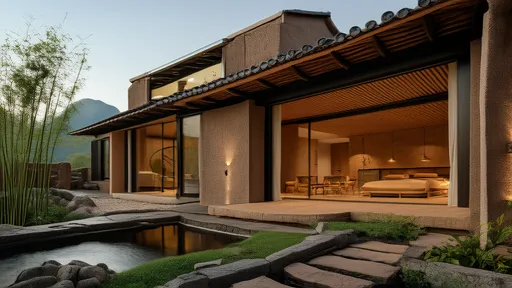
Beyond small accessories, architectural applications are proving equally revolutionary. The Living Room Hotel in Norway features an entire lobby wall grown from mycelium panels that regulate humidity naturally. These living installations demonstrate how fungal materials can actively contribute to indoor climate control while serving structural purposes. The wall's subtle earthy fragrance and organic texture have become a talking point among guests, proving that sustainability can enhance aesthetic experiences.
Material scientists emphasize mycelium's unique acoustic properties, making it ideal for hotel environments. Grown sound-absorbing panels installed in the Vienna House conference rooms demonstrate 30% better noise reduction than conventional materials while weighing half as much. This combination of performance and lightness opens new possibilities for interior design where functionality meets environmental responsibility.
The hospitality industry's embrace of fungal materials coincides with growing consumer demand for authentic ecological experiences. A recent survey by Hospitality Insights revealed that 68% of luxury travelers would pay premium rates for accommodations demonstrating verifiable sustainability practices. Mycelium products offer tangible proof of environmental commitment that resonates strongly with this demographic.
Production scalability remains the primary challenge. While small batches prove the concept's viability, industrial-scale cultivation requires specialized facilities currently in development. The MycoWorks facility in California represents the cutting edge, with automated growth chambers capable of producing hundreds of furniture-grade mycelium blocks weekly. As these technologies mature, price parity with conventional materials appears achievable within five years.
Looking ahead, researchers are experimenting with incorporating other natural elements into mycelium composites. One promising development involves embedding bioluminescent algae cultures, creating furniture that emits a gentle glow without electricity. Another explores integrating natural dyes during the growth process, eliminating the need for surface painting. These innovations suggest a future where hotel interiors might literally grow into existence, blurring the lines between manufacturing and cultivation.
The implications extend beyond environmental benefits. Mycelium fabrication could democratize design production, enabling hotels to grow customized furnishings onsite without complex supply chains. Imagine boutique properties cultivating signature furniture pieces as unique as their locations, or disaster-relief shelters growing basic furnishings from local waste materials. This technology promises to reshape not just what we make, but how and where manufacturing occurs.
As the hospitality industry continues its green transformation, mycelium stands out as more than another sustainable material—it represents a philosophical shift toward working with nature rather than against it. Early adopters are discovering that fungal fabrication isn't just about reducing harm, but about creating positive ecological impacts through every stage of an object's lifecycle. From spore to soil, these mushroom materials offer a compelling vision for the future of design.

By /Jul 16, 2025

By /Jul 16, 2025

By /Jul 16, 2025

By /Jul 16, 2025

By /Jul 16, 2025

By /Jul 16, 2025

By /Jul 16, 2025
By /Jul 16, 2025

By /Jul 16, 2025
By /Jul 16, 2025
By /Jul 16, 2025
By /Jul 16, 2025

By /Jul 16, 2025

By /Jul 16, 2025

By /Jul 16, 2025

By /Jul 16, 2025

By /Jul 16, 2025

By /Jul 16, 2025
By /Jul 16, 2025

By /Jul 16, 2025
